A centrally located NBPD headquarters allows officers to reach every part of Newport Beach quickly and efficiently. A station on the edge of town will leave neighborhoods and families waiting when seconds matter.

In an emergency, seconds decide outcomes.
“It is logistically advantageous to be as centrally located as possible... in the event that we do need to surge resources.”
From its earliest stations to the department that grew alongside City Hall, Newport Beach kept law enforcement near the center of the community, within fast reach of every neighborhood. That was the plan, not an accident.
As Newport Beach grew, its police force grew with it, housed close to the civic center of town near the piers and the heart of Old Newport.
When Newport Beach dedicated its new City Hall, with Governor Earl Warren as the principal speaker, the police department and city jail occupied a wing of the building itself. Law enforcement sat at the center of city government.
By Resolution No. 7351, the City Council adopted a master plan for the Civic Center site in Newport Center, designed by Welton Becket and Associates. It grouped the city's core institutions on one campus and named a Police Facilities Building among them, next to the Council Chambers, City Hall, and the Central Library.
The current station on Santa Barbara Drive was built more than five decades ago to serve a population roughly half its current size. Today Newport Beach police protect an estimated 7 million visitors and residents a year from that aging building.
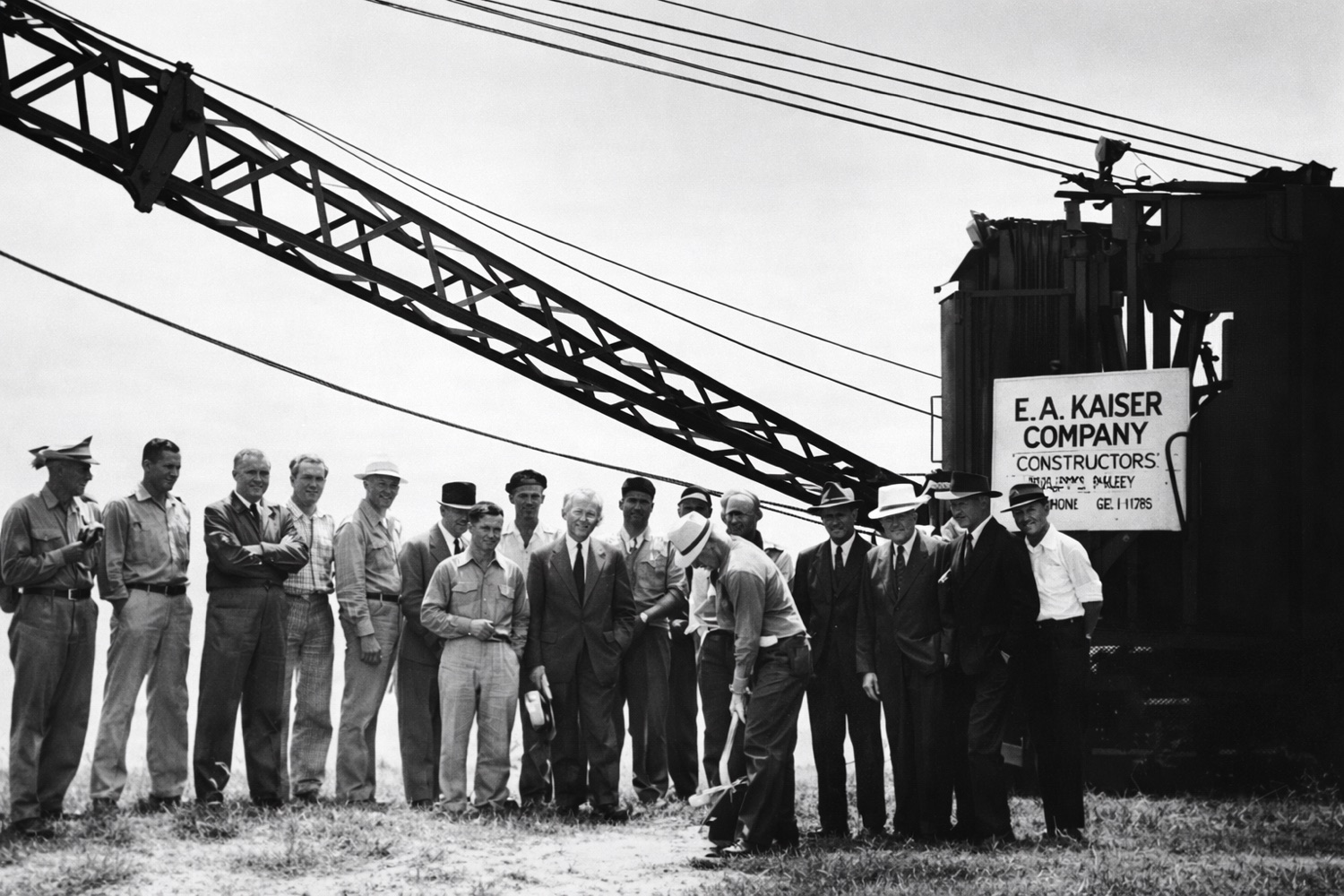
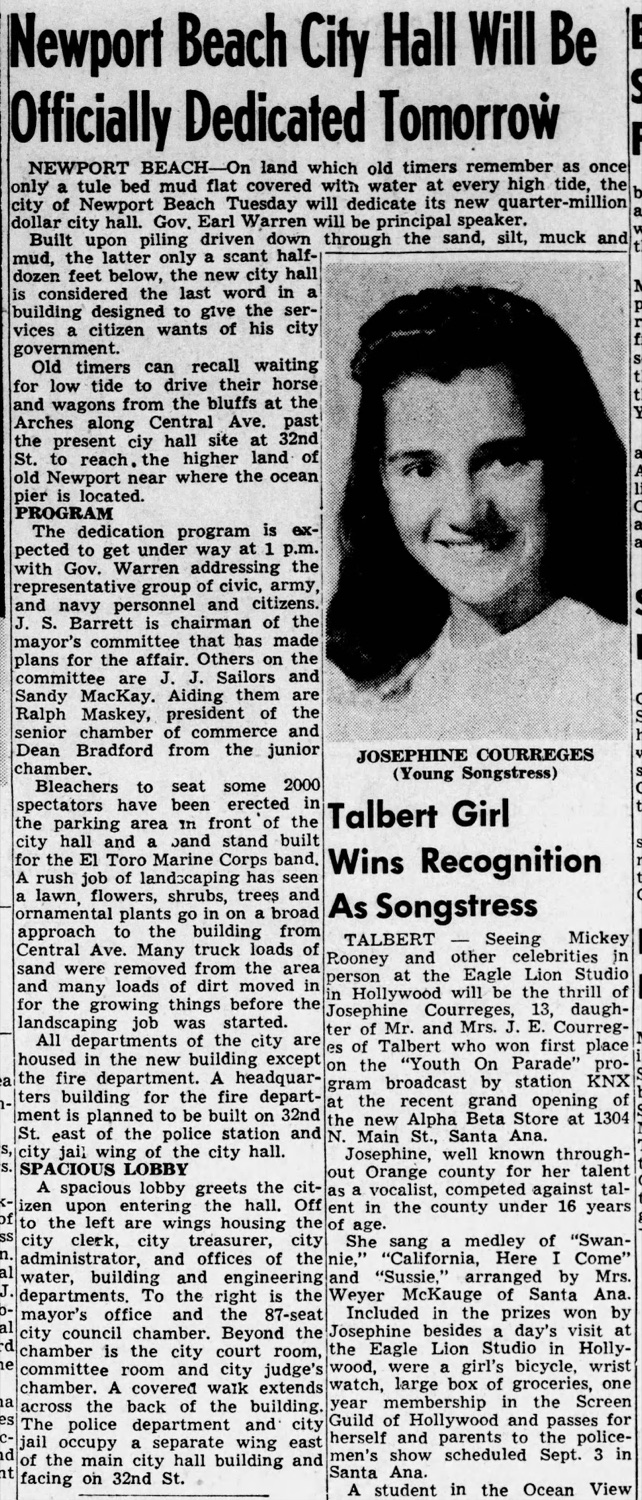
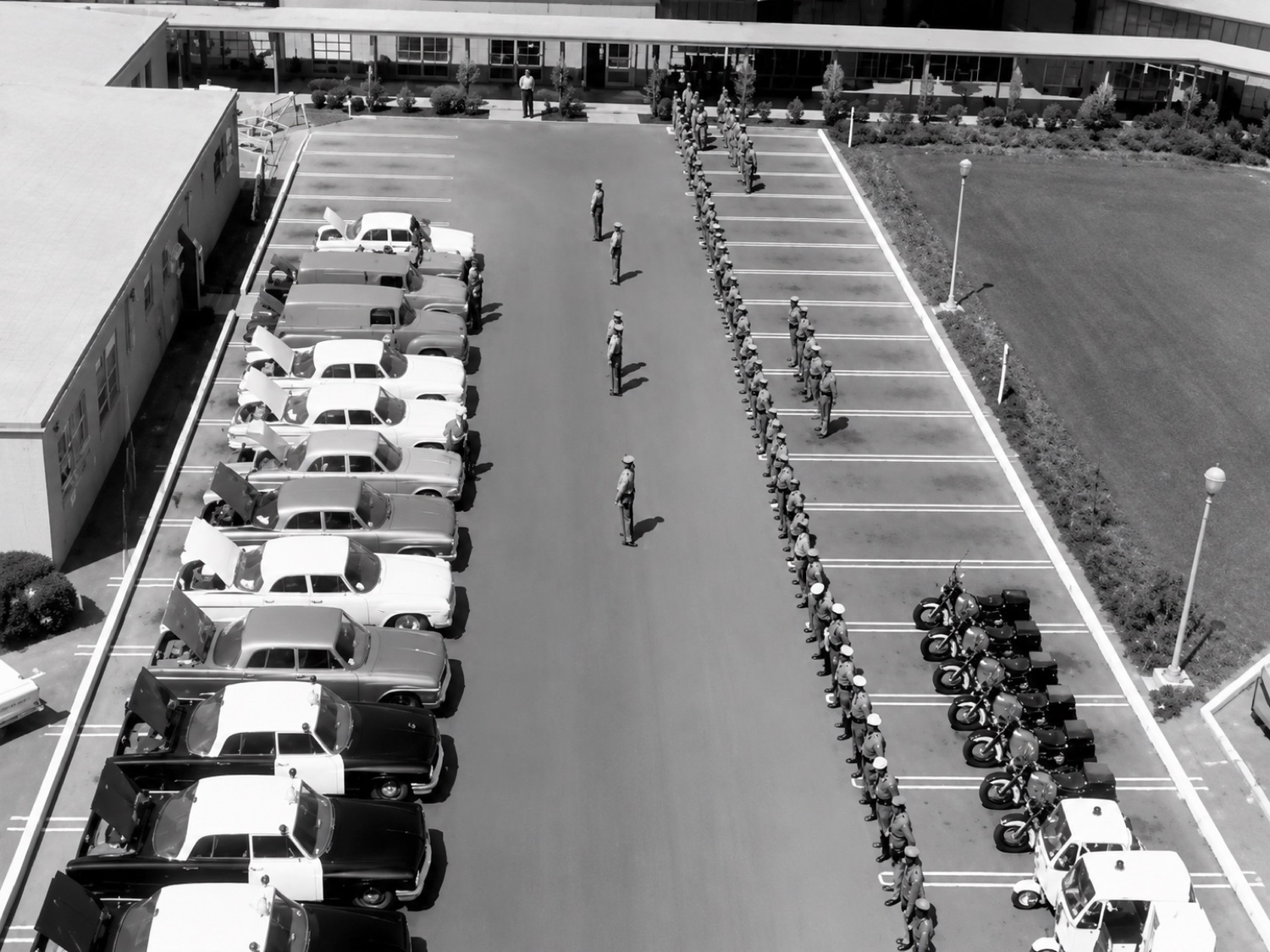
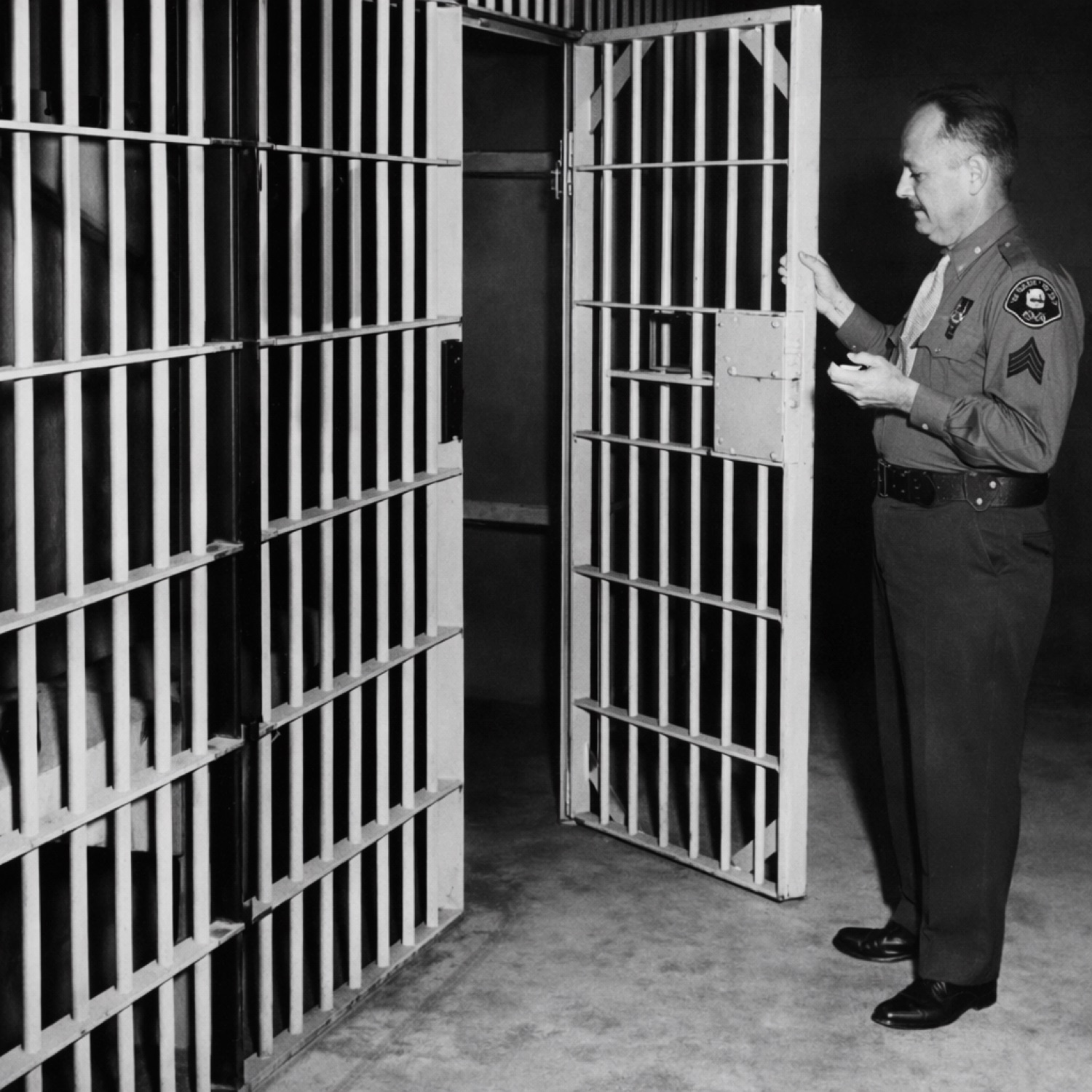

On January 11, 1971, the City Council adopted the Civic Center Revised Master Plan for the Newport Center site. Its written description set aside the easterly nine acres for the City's core facilities:
A centrally located police headquarters at the Civic Center is not a new idea. It is the plan Newport Beach set for itself more than fifty years ago.
An officer’s day extends far beyond their patrol district. They’re pulled back to headquarters constantly: to book an arrest, log evidence, write a required collision report, take a walk-in report, take a meal on a 12-hour shift, or complete reports and exchange vehicles at shift change. Every one of those trips is time off the street. The farther the headquarters sits from the center of the city, the longer each trip takes, and the greater the risk is to Newport.
When a major incident hits, a central station can surge resources in minutes. An edge-of-town station cannot.
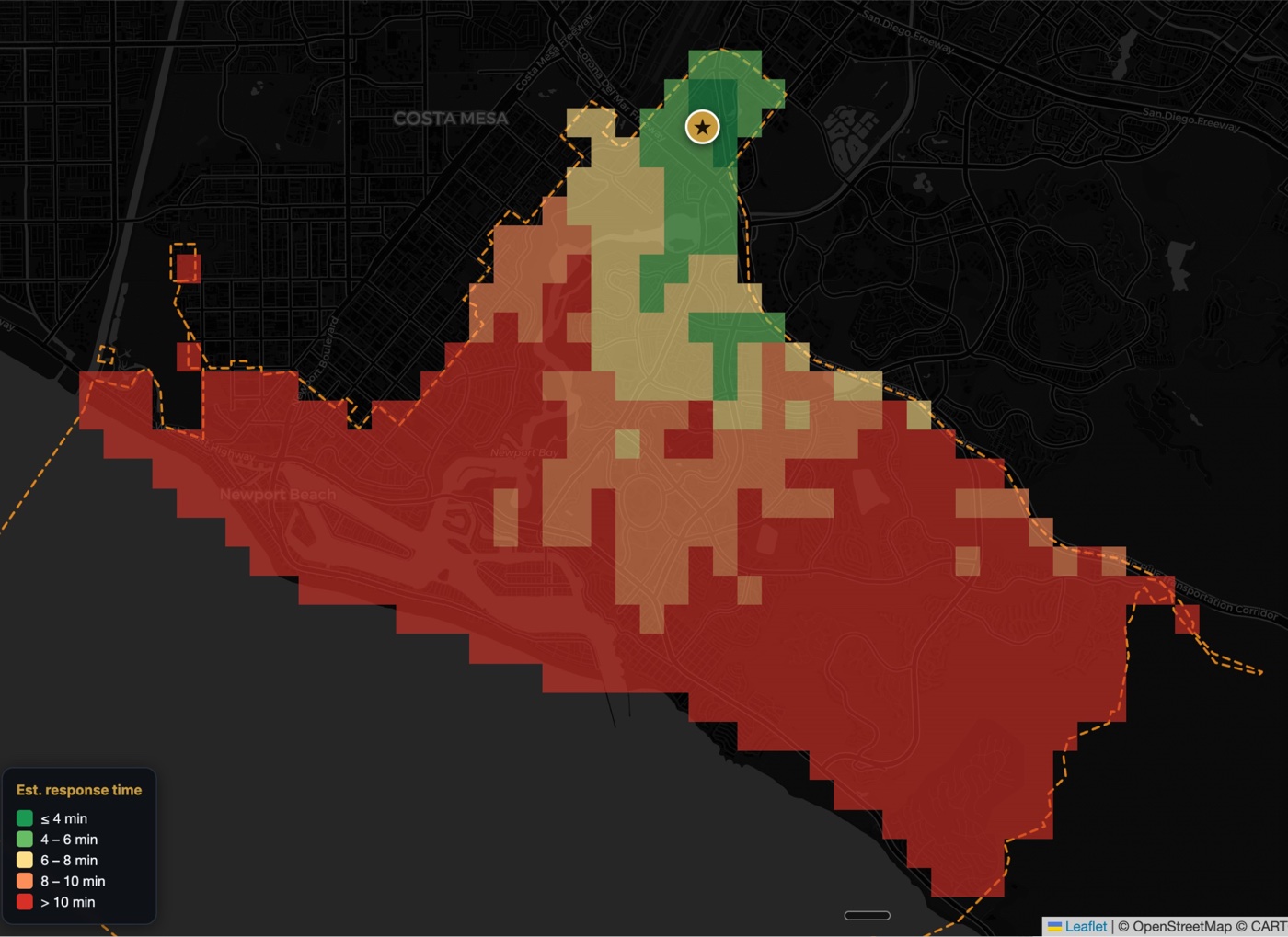
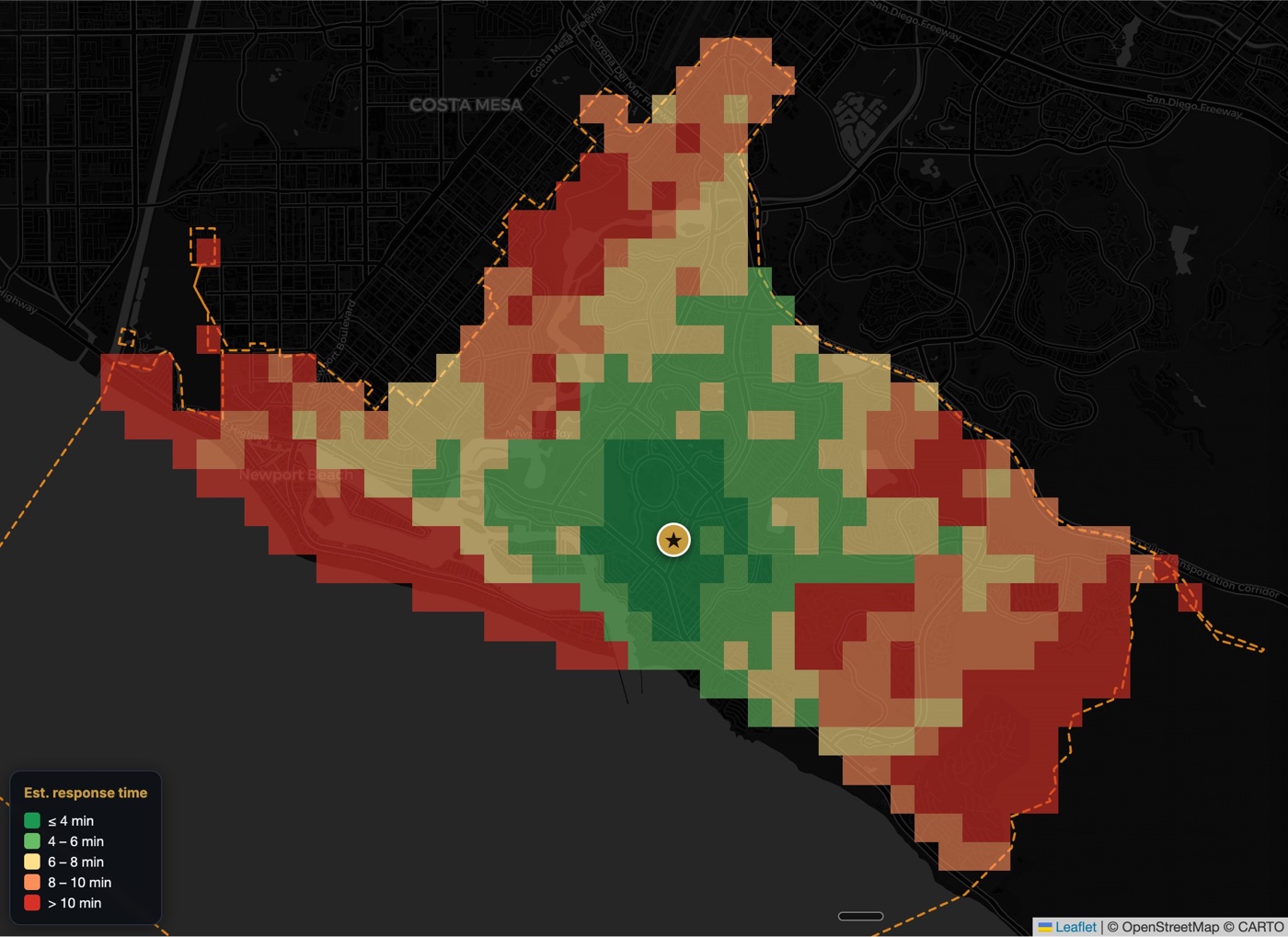
Actual output from the interactive simulator, routed on real Newport Beach roads with current time-of-day traffic. Tap either map to enlarge.
Do not take our word for it. Test the locations yourself on the interactive simulator, built on real Newport Beach roads and the City's public calls-for-service data.
The wrong location on the edge of our city limits could cost one patrol officer 68 minutes and 55 seconds of additional driving time every shift.
Over a year that equals over 5,400 additional hours for our police driving, not protecting, not patrolling.
225 full days. 32 weeks. 7.5 months.
At an average patrol speed of about 20 MPH in Newport traffic, 5,400 extra hours behind the wheel is roughly 108,000 additional miles a year on the department's patrol SUVs.
About 6,000 gallons at 18 MPG and Orange County's $5.67 average per gallon.
Pursuit-rated sets wear out roughly every 40,000 miles.
Severe-duty brakes, oil, fluids, and suspension wear.
Upfitted patrol SUVs reach replacement mileage years sooner.
Illustrative estimate based on the patrol simulator's Alpha Watch Peninsula scenario (Dove Street versus Civic Center), an average patrol speed of 20 MPH in Newport traffic, an 18 MPG police SUV, August 2026 Orange County fuel prices, and typical severe-duty fleet cost rates. Actual costs vary with staffing, routes, and fuel prices.
Built on real Newport Beach roads and the City's public calls-for-service data. Place the headquarters anywhere and watch response times change across every neighborhood.

“It is logistically advantageous to be centrally located as possible, in the event that we do need to surge resources, or to cut down, and travel time back and forth to the station headquarters.”
“The issue becomes when there is a need for an increased amount of police presence in an area, whether it is a SWAT activation, or a crime in progress that requires more than the normal patrol operations allocates, we will surge resources from the police station...and that could be the SWAT team, it could be the on-duty detectives that are typically working at their desk.”
“Take the events that occurred at Fashion Island. We had an amazing amount of resources in the Fashion Island area to help investigate and apprehend suspects within a very short period of time, because we were located right next to where the crime occurred.”
Setting the record straight on what a centrally located headquarters would and would not mean for Newport Beach.
Officers rarely respond from police headquarters.
Officers regularly deploy from headquarters during emergencies, shift changes, specialty team activations, and arrestee processing.
Headquarters can be located anywhere.
A central location improves response times, supports daily operations, reduces travel time and vehicle costs, and keeps police services accessible to the community.
A central headquarters would cost taxpayers an extra $50 million.
There are no verified cost estimates showing a centrally located headquarters would add $50 million to the project.
The police headquarters will destroy Bunnyhenge and Civic Center Park.
Bunnyhenge remains, and approximately six acres of Civic Center Park will remain open space.

“It’s time to put public safety before politics. I believe that we can work together to protect Bunnyhenge, preserve open spaces, and centrally locate our police headquarters next to City Hall.
The NBPA and I remain fully committed to delivering excellent service and public safety no matter where our future headquarters is located.
However, location, investment, and timing matter in our officers’ ability to respond quickly and keep Newport safe. The wrong location, wrong building, and wrong choice could have devastating consequences that city leadership must consider now.”
Quotes are from the July 7, 2026 Police Headquarters Advisory Committee meeting and presented for public information.
Two tools built on real Newport Beach roads and the City's public calls-for-service data. Put the headquarters anywhere and see how it changes response times and officer patrol time.
Pick a site, the current Santa Barbara Drive station, a central site, or anywhere you tap on the map, and watch citywide emergency response times redraw across every neighborhood in real time-of-day traffic.
Open the map simulatorFollow one officer through a full shift and see how much of the day is spent driving to and from headquarters versus on patrol, and how a central station hands time back to the street.
Open the patrol simulatorThe Newport Beach Police Association has been clear that the aging Santa Barbara Drive station cannot simply be patched. In its June 16, 2026 statement, NBPA President Joe DeJulio called the current facility woefully inadequate for the modern demands of law enforcement.
Backups inside the offices where officers work.
Failing systems in a building made for a different era.
Technology a modern department cannot depend on.
Construction cannot begin until Fire Station 3 is relocated and the site is available. That prerequisite alone adds years before a new headquarters could even break ground, followed by several more years of construction and operational disruption.
Remodeling, reconstructing, or reusing the current site is not an option that the NBPA supports. Police operations are a critical 24/7 system that cannot be simply moved or temporarily relocated without significant costs, delayed response times, and threats to public safety.
The NBPA supports the City Council's process, and the Police Headquarters Advisory Committee, in reviewing all reasonable, safe, and viable options to deliver a headquarters that meets modern demands, ensures a centrally located base of operations, and respects taxpayer dollars.

The simulator routes on real Newport Beach roads and pulls the City’s public calls-for-service data. Put the headquarters at Santa Barbara Drive, the Civic Center, or anywhere you choose.
A modern headquarters is a once-in-a-generation decision. Get the location right, and Newport Beach is safer for the next fifty years.

